Theme images by kelvinjay. Powered by Blogger.

This is war propaganda

This is war propaganda
A 2013 Mondoweiss article exposing how war propaganda gets a "makeover". The same military action is rebranded for media: "targeted operation" instead of "bombing", "self-defense" instead of "aggression". Goal: reshape public perception and sell the war.

COVERT WAR ON TERROR Yemen: reported US covert action 2012

COVERT WAR ON TERROR Yemen: reported US covert action 2012
2012 report on reported US covert operations in Yemen as part of the "War on Terror". The article discusses secret military actions, drone strikes, and how they were covered in media. Source: bladalarb.blogspot.com

CALL FOR INTERNATIONAL SOLIDARITY

CALL FOR INTERNATIONAL SOLIDARITY
CALL FOR INTERNATIONAL SOLIDARITY Article from Brussels Tribunal calling on global activists, intellectuals, and movements to unite in solidarity with Iraq and against occupation. Source: brussellstribunal.org

Saddam’s VP, Izzat ad-Douri: Maliki follows Iran’s agenda to divide Iraq /Video)

Saddam’s VP, Izzat ad-Douri: Maliki follows Iran’s agenda to divide Iraq /Video)
2013 video statement by Saddam's former VP Izzat ad-Douri. He accuses PM Maliki of following Iran's agenda to divide Iraq. Source: bladalarb.blogspot.com

BOOKS ON IRAQ

BOOKS ON IRAQ
click Pic.

The US War crimes on Iraq

The US War crimes on Iraq
How much they hate Iraq and why?

War in Mali : STOP THIS

War in Mali : STOP THIS
CLICK PHOTO

War in Syria : STOP THIS

War in Syria : STOP THIS
CLICK PHOTO

Welcome to Kuala Lumpur Foundation to Criminalise War

Welcome to Kuala Lumpur Foundation to Criminalise War
Kuala Lumpur Foundation to Criminalise War The Foundation promotes justice and accountability for war crimes. It seeks to bring political and military leaders responsible for aggression and crimes against humanity to an international tribunal.

Criminalize War - War is about killing, massive killing

Criminalize War - War is about killing, massive killing
A - List of killed Iraqi academics

"Kill Anything That Moves"

"Kill Anything That Moves"
Military Doctrine Began in Vietnam

How the Pentagon is hiding the dead The secret campaign to undercount the ‘war on terror’ death tol

How the Pentagon is hiding the dead The secret campaign to undercount the ‘war on terror’ death tol
CLICK The PIC

U.S. Officials Guilty of War Crimes

U.S. Officials Guilty of War Crimes
for the Iraq War

The Massacre of Al-Amiriyah Shelter Remembered – 2/10/13

The Massacre of Al-Amiriyah Shelter Remembered – 2/10/13
click Pic

PILOTS FOR 9/11 TRUTH

PILOTS FOR 9/11 TRUTH
Now available

US War Crimes

US War Crimes
Coverup of Extensive War Crimes

Barack Obama : A Gigantic Fraud upon the American People

Barack Obama : A Gigantic Fraud upon the American People
Clik Pict.

The victims of Fallujah's health crisis are stifled by western silence

The victims of Fallujah's health crisis are stifled by western silence
To research a possible link between US bombardment and rates of birth defects and pediatric cancer in Iraq is a moral imperative

If Americans Knew

If Americans Knew
UN Resolutions Targeting Israel and the Palestinians

40% of Palestinian Children Detained by Israel Sexually Abused; Virtually All Tortured

40% of Palestinian Children Detained by Israel Sexually Abused; Virtually All Tortured
Click Pict.

The Iraq War began when

The Iraq War began when
CLICK PC.

Israeli soldiers raid Al Aqsa courtyard, attack worshipers

Israeli soldiers raid Al Aqsa courtyard, attack worshipers
CLICK The PIC

#CrowdActivism 911 Mass Arrests!

#CrowdActivism 911 Mass Arrests!
Click for RAW Evidence DECIDE *now*!

War Crimes Are US

War Crimes Are US
Depleted Uranium weapons: Why shouldn’t it be a war crime to poison civilians with radiation?

The Iraqi weapons of mass destruction

The Iraqi weapons of mass destruction
Found at last! After searching for 10 years, the Iraqi weapons of mass destruction have finally been found – in Syria

The Mother of All Battles The Endless U.S.-Iraq War

The Mother of All Battles The Endless U.S.-Iraq War
Book by Jeff Archer

MASS Graves uncovered accidentally unveiling true dangers of iranian backed militias in iraq

MASS Graves uncovered accidentally unveiling true dangers of iranian backed militias in iraq
REPORT Foreign Relations Bureau - Iraq - United Kingdom

Get the REAL DEAL

CLICK TO VISIT

operation iraqi freedom

operation iraqi freedom
click PC

LIST OF KILLED IRAQI ACADEMICS

LIST OF KILLED IRAQI ACADEMICS
ASSASSINATED IRAQI MEDIA PROFESSIONALS

International Lawyers Seek Justice for Iraqis

International Lawyers Seek Justice for Iraqis
Sabah al-Mukhtar is the president of the Arab Lawyers Association and chair of the Iraq Commission

A World Appeal to Anti-war Forces: STAND WITH IRAQ!

A World Appeal to Anti-war Forces: STAND WITH IRAQ!
click the photo

Engineering solution for Radioactive Waste in IRAQ

Engineering solution for Radioactive Waste in IRAQ
Engineering Solution for Radioactive Waste in IRAQ

Wikileaks Iraq: data journalism maps every death

Wikileaks Iraq: data journalism maps every death
Iraq war logs release has dumped some 391,000 records

Report on Status of Iraq

Report on Status of Iraq
Government War Crimes in Anbar Province

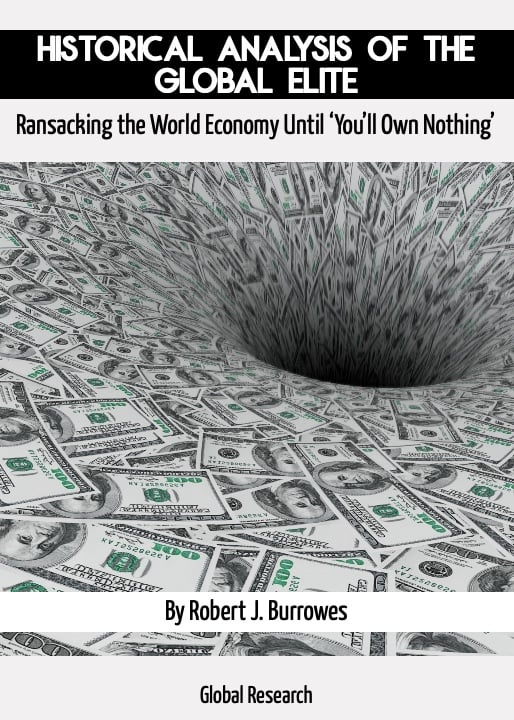
Historical Analysis of the Global Elite: Ransacking the World Economy Until ‘You’ll Own Nothing.’

COVERT WAR ON TERROR Yemen: reported US covert action 2012

COVERT WAR ON TERROR Yemen: reported US covert action 2012

Sir Henry Kissinger: Midwife to New Babylon

Sir Henry Kissinger: Midwife to New Babylon
The moment Kissinger’s last breath left his corpse, media commentators lost no time running out the gates, either singing songs of slavish praise about the “great liberal statesman”clik Pict.

Action in Ghent 16 March. 7000 posters were distributed by 70 volunteers. A lot of "Justice For Ira

Beyond Torture U.S. Violations of Occupation Law in Iraq

Beyond Torture U.S. Violations of Occupation Law in Iraq
A report by the Center for Economic and Social Rights

Iraqi Children: Deprived Rights, Stolen future

Iraqi Children: Deprived Rights, Stolen future
click PIC

Syria News - August 16, 2013 (Warning: Graphic Videos)

Syria News - August 16, 2013 (Warning: Graphic Videos)
Local Coordination Committees of Syria + Videos

Letter From Yemen by Felicity Arbuthnot + Defining Drone Deaths in Yemen

Handwritten letter from President Saddam Hussein to the American people. 7 July 2006.

Handwritten letter from President Saddam Hussein to the American people. 7 July 2006.
To the American people:

Saddam Hussein refuses to sell out Iraq.

Saddam Hussein refuses to sell out Iraq.
Saddam Hussein refuses to sell out Iraq. Egyptian Magazine publishes transcript of meeting in prison between Saddam Hussein and Donald Rumsfeld.

Report On Israeli Human Rights Violations

Report On Israeli Human Rights Violations
Weekly Report On Israeli Human Rights Violations in the Occupied Palestinian Territory (23 - 29 May 2013)

Weekly Report On Israeli Human Rights Violations in the Occupied Palestinian Territory (05 - 12 Jun

Weekly Report On Israeli Human Rights Violations in the Occupied Palestinian Territory (05 - 12 Jun
The Palestinian Centre for Human Rights (PCHR)

IRAKDOSSIER in DE WERELD MORGEN: verschillende Engelstalige artikels die op deze website staan, wer

» »Unlabelled » How Elite Infighting Made the Magna Carta

 How Elite Infighting Made the Magna Carta

 BY

Counter Punch

The Magna Carta (originally known as the Charter of Liberties) of 1215

The papacy’s role as organizer of the Crusades empowered it to ask for—indeed, to demand—tithes from churches and royal tax assessments from realms ruled by the warlord dynasties it had installed and protected. England’s nobility and clergy pressed for parliamentary reform to block King John and his son Edward III from submitting to Rome’s demands to take on debts to finance its crusading and fights against Germany’s kings. Popes responded by excommunicating reformers and nullifying the Magna Carta again and again during the 13th century.

The Burdensome Reign of King John

John I (1199-1216) was dubbed “Lackland” because, as Henry II’s fourth and youngest son, he was not expected to inherit any land. On becoming his father’s favorite, he was assigned land in Ireland and France, which led to ongoing warfare after his brother Richard I died in 1199. This conflict was financed by loans that John paid by raising taxes on England’s barons, churches, and monasteries. John fought the French for land in 1202, but lost Normandy in 1204. He prepared for renewed war in France by imposing a tallage in 1207; as S.K. Mitchell details in his book on the subject, this was the first such tax for a purpose other than a crusade.

By the 13th century, royal taxes to pay debts were becoming regular, while the papacy made regular demands on European churches for tithes to pay for the Crusades. These levies created rising opposition throughout Christendom, from churches as well as the baronage and the population at large. In 1210, when John imposed an even steeper tallage, many landholders were forced into debt.
John opened a political war on two fronts by insisting on his power of investiture to appoint bishops. When the Archbishop of Canterbury died in 1205, the king sought to appoint his successor. Innocent III consecrated Stephen Langdon as his own candidate, but John barred Stephen from landing in England and started confiscating papal 
estates. In 1211 the pope sent his envoy, Pandulf Verraccio, to threaten John with excommunication. John backed down and allowed Stephen to take his position, but then collected an estimated 14 percent of church income for his royal budget over the next two years—£100,000, including Peter’s Pence.

Innocent sent Pandulf back to England in May 1213 to insist that John reimburse Rome for the revenue that he had withheld. John capitulated at a ceremony at the Templar church at Dover and reaffirmed the royal tradition of fealty to the pope. As William Lunt details in Financial Relations of the Papacy with England to 1327, John received England and Ireland back in his fiefdom by promising to render one thousand marks annually to Rome over and above the payment of Peter’s Pence, and permitted the pope to deal directly with the principal local collectors without royal intervention.

John soon stopped payments, but Innocent didn’t protest, satisfied with having reinforced the principle of papal rights over his vassal king. In 1220, however, the new pope “Honorius III instructed Pandulf to send the proceeds of the [tallage of a] twentieth, the census [penny poll tax] and Peter’s Pence to Paris for deposit with the Templars and Hospitallers.”1 Royal control of church revenue was lost for good. The contributions that earlier Norman kings had sent to Rome were treated as having set a precedent that the papacy refused to relinquish. The clergy itself balked at complying with papal demands, and churches paid no more in 1273 than they had in 1192.

The barons were less able to engage in such resistance. Historian David Carpenter calculates that their indebtedness to John for unpaid taxes, tallages, and fines rose by 380 percent from 1199 to 1208. And John became notorious for imposing fines on barons who opposed him. That caused rising opposition from landholders—the fight that Richard had sought to avoid. The Exchequer’s records enabled John to find the individuals who owed money and to use royal fiscal claims as a political lever, by either calling in the debts or agreeing to “postpone or pardon them as a form of favor” for barons who did not oppose him.

John’s most unpopular imposition was the scutage fee for knights to buy exemption from military service. Even when there was no actual war, John levied scutage charges eleven times during his 17-year reign, forcing many knights into debt. Rising hostility to John’s campaign in 1214 to reconquer his former holdings in Normandy triggered the First Barons’ War (1215-1217) demanding the Magna Carta in 1215.

Opposition was strongest in the north of England, where barons owed heavy tax debts. As described in J.C. Holt’s classic study The Northeners, they led a march on London, assembling on the banks of the Thames at Runnymede on June 15, 1215. Although the Archbishop of Canterbury, Stephen Langdon, helped negotiate a truce based on a “charter of liberties,” a plan for reform between John and the barons that became the Magna Carta, the “rebellion of the king’s debtors” led to a decade-long fight, with the Magna Carta being given its final version under the teenaged Henry III in 1225.

Proto-Democratic Elements of the Magna Carta

There were proto-democratic elements in the Charter, most significantly the attempt to limit the king’s authority to levy taxes without the consent of a committee selected by the barons. The concept of “no taxation without representation” appears in the original Chapter 12: “No scutage or aid is to be levied in our kingdom, save by the common counsel of our kingdom,” and even then, only to ransom the king or for specified family occasions.

The linkage between debt, interest accruals, and land tenure was central to the Charter. Chapter 9 stated that debts should be paid out of movable property (chattels), not land. “Neither we [the king] nor our bailiffs are to seize any land or rent for any debt, for as long as the chattels of the debtor suffice to pay the debt.” Land would be forfeited only as a last resort, when sureties had their own lands threatened with foreclosure. And under the initial version of the Charter, debts were only to be paid after appropriate living expenses had been met, and no interest would accrue until the debtor’s heirs reached maturity.

Elite Interests in the Charter

The Magna Carta typically is depicted as the birth of England’s fight to create democracy. It was indeed an attempt to establish parliamentary restraint on royal spending, but the barons were acting strictly in their own interest. The Charter dealt with breaches by the king, but “no procedure was laid down for dealing with breaches by the barons.” In Chapter 39 they designated themselves as Freemen, meaning anyone who owned land, but that excluded rural villeins and cottagers. Local administration remained corrupt, and the Charter had no provisions to prevent lords from exploiting their sub-tenants, who had no voice in consenting to royal demands for scutages or other aids.

The 13th-century fight was to establish what would become the House of Lords, not the House of Commons. Empowering the nobility against the state was the opposite of the 19th-century drive against the landlord class and its claims for hereditary land rent. What was deemed democratic in Britain’s 1909/10 constitutional crisis was the ruling that the Lords never again could reject a House of Commons revenue act. The Commons had passed a land tax, which the House of Lords blocked. That fight against landlords was the opposite of the barons’ fight against King John.

Notes.

1. William Lunt, “Financial Relations of the Papacy with England to 1327. (Studies in Anglo-Papal Relations during the Middle Ages, I.),” (Cambridge, Massachusetts: The Mediaeval Academy of America, 1939) pp. 597-598 and pp. 58-59.↩

This article was produced by Human Bridges.

Michael Hudson’s new book, The Destiny of Civilization, will be published by CounterPunch Books next month.

«
Next
Newer Post
»
Previous
Older Post

No comments:

Leave a Reply